Heat Management in Solar Electronics: The Role of Temperature-Stable Ferrite Materials
The global push for renewable energy has put solar power at the forefront of the green revolution. However, as solar inverters and converters strive for higher power densities and smaller footprints, they face a silent but formidable enemy that is heat.
In solar electronics, managing thermal energy isn't just about preventing a shutdown; it’s about ensuring the longevity and efficiency of the entire system. This is where the choice of magnetic materials, specifically temperature-stable ferrites, becomes a game-changer.
The Thermal Challenge in Solar Inverters
Solar inverters are often installed in harsh environments—from scorching deserts to humid tropical rooftops. Inside these units, power electronics switch at high frequencies to convert DC energy from panels into usable AC power. This process naturally generates heat. If the magnetic cores within the transformers and inductors cannot handle these temperature swings, their performance degrades, leading to "thermal runaway."
When a standard ferrite core gets too hot, its magnetic properties can shift, causing increased energy loss, which in turn creates more heat. This vicious cycle reduces the overall yield of the solar installation.
Why Temperature Stability Matters
Temperature-stable ferrite materials are engineered to maintain consistent magnetic properties across a wide thermal operating window. For solar applications, this means:
- Low Core Losses: Advanced Mn-Zn (Manganese-Zinc) ferrites are designed to reach their minimum power loss at the exact temperatures where solar inverters typically operate (often between 80°C and 100°C).
- Reliability in Diverse Climates: Whether it’s a cold morning start or a peak-sun afternoon, temperature-stable materials ensure the inductance remains steady, preventing spikes or drops in power quality.
- Extended Lifespan: By keeping the internal temperature of the electronics lower through efficient operation, the stress on surrounding components like capacitors is reduced, extending the life of the inverter.
The Cosmo Ferrites Advantage
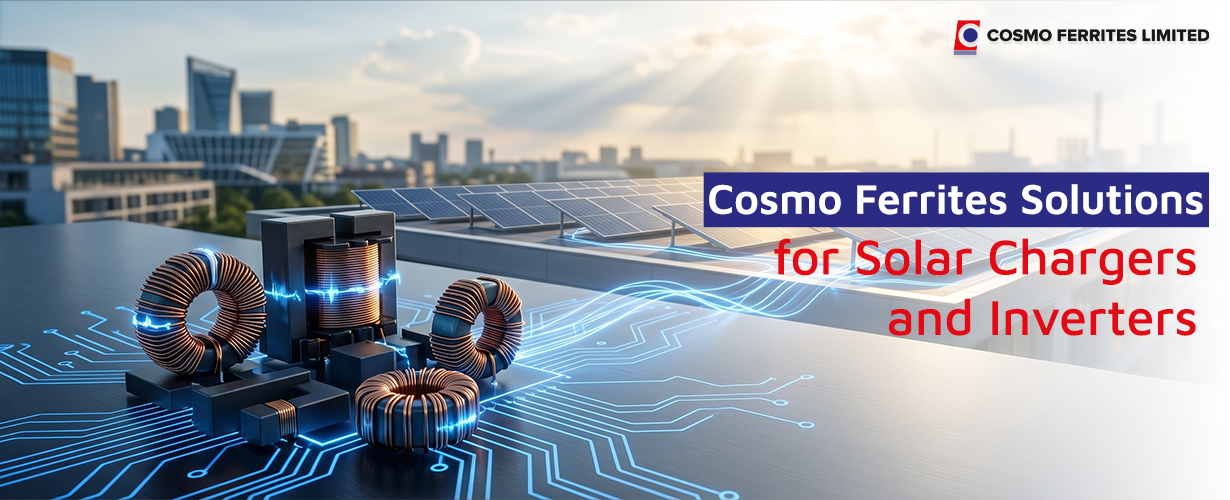
When looking for solutions in this space, Cosmo Ferrites stands out as a leader in soft ferrite technology. Their specialized materials are specifically designed to address the rigors of renewable energy infrastructure. By utilizing high-performance grades engineers can design solar electronics that are not only more compact but significantly more resilient.
Conclusion
As solar technology evolves, the hidden components like ferrite cores will determine which systems lead the market in efficiency. By prioritizing temperature-stable materials, manufacturers can ensure that their solar electronics stay cool under pressure, delivering maximum green energy for decades to come.